



After She Leaves: Spousal Support
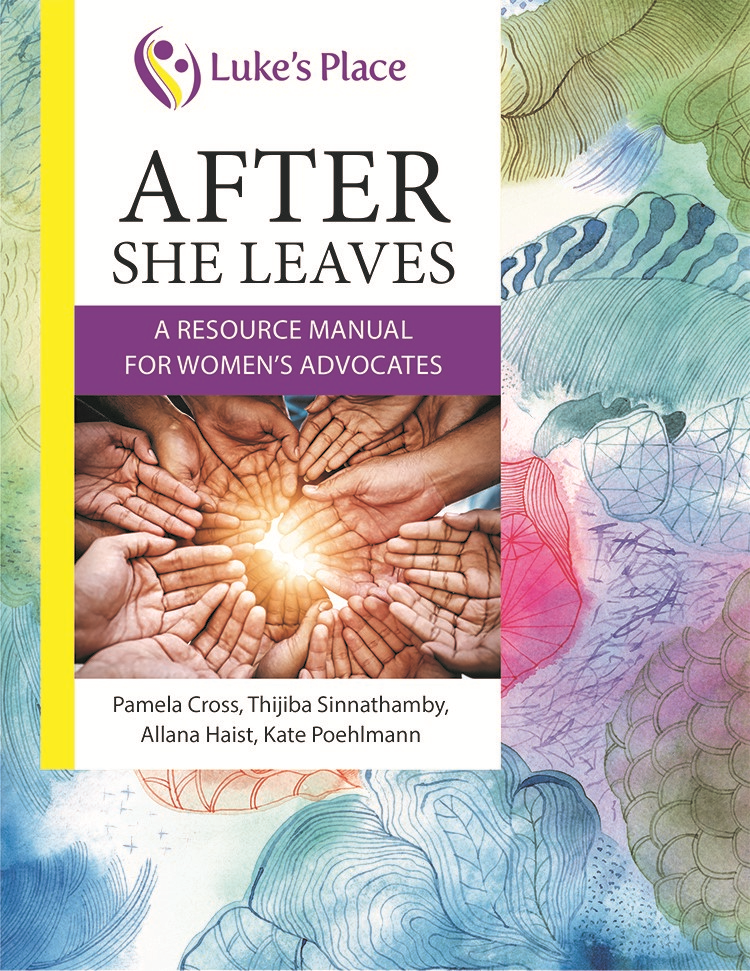
The content in this post is adapted from our recently updated After She Leaves Resource Manual. Click here to learn more about the manual.
Spousal support is money that is paid by one spouse to the other after the end of the relationship. Spouse is defined to include both married and common-law relationships.
A person is a common-law spouse if she has lived with her partner for at least three years or less than three years if they are in a steady relationship and have had or adopted a child.
HOW SPOUSAL SUPPORT IS CALCULATED
The following factors are considered in determining whether spousal support should be paid, how much it should be and for how long it should be paid:
- Present and potential earning capacity of both spouses
- Length of marriage or cohabitation
- Ages of the former spouses
- Roles each spouse played in the marriage
- Roles of each spouse post-separation
- Impact of these roles on each spouse’s ability to generate income
- Lifestyle during marriage and whether the lifestyle can and should be maintained
Spousal support can be permanent or for a specified period of time. The amount of support often decreases over time or is subject to review in the future, although in some circumstances, it will stay at the same level indefinitely.
The Spousal Support Advisory Guidelines (SSAGs) are available to assist parties in determining the appropriate range for spousal support payments. These guidelines are not mandatory, but most courts will review them before determining how much spousal support should be paid in the circumstances.
Where there are children, spousal support is calculated after child support. For this reason, there are two different formulas—with child support and without child support.
The SSAGs can be found on the Justice Canada website.
Spousal support orders are also enforced through the Family Responsibility Office (FRO). To register with FRO and for more information, visit the FRO section on the Province of Ontario website.